A 1% reduction in A1C cuts your risk of diabetes complications (eye disease, kidney disease, nerve damage) by roughly 20–40%, according to the landmark UKPDS trial. The good news: A1C responds to lifestyle within 90 days — the exact lifespan of the red blood cells the test measures. Here are 9 evidence-backed strategies that can move your A1C without (or alongside) medication.

1. Cut Refined Carbs and Added Sugars First
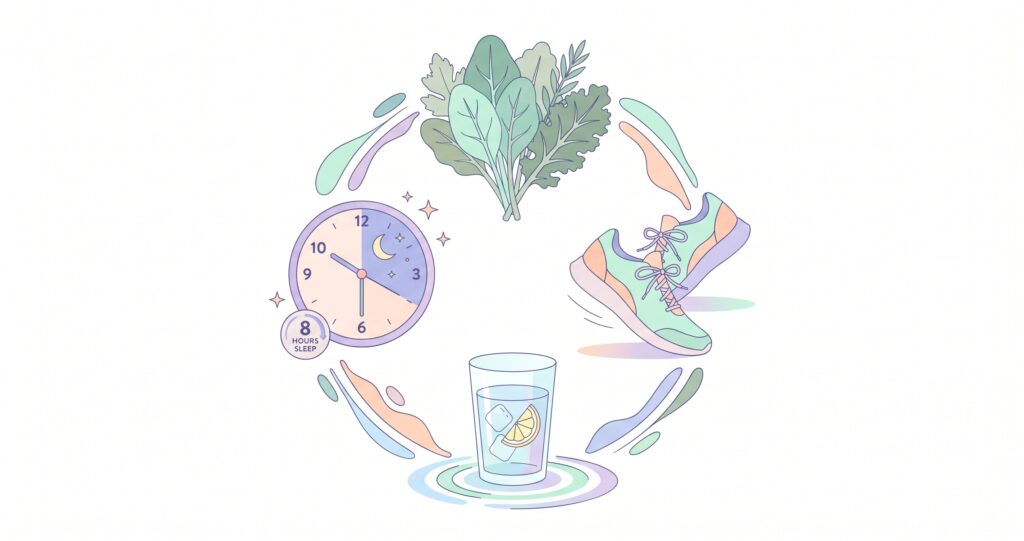
The single highest-impact dietary change for most people with type 2 diabetes is reducing refined carbohydrates: white bread, white rice, pasta, pastries, sweetened drinks, breakfast cereals. These foods cause large glucose spikes that drive A1C up. Replace them with high-fiber alternatives like whole grains, legumes, non-starchy vegetables, or low-carb substitutes like cauliflower rice or zucchini noodles.
See our complete list of foods that lower A1C and consider swapping to our recommended rice alternatives or bread alternatives.
2. Aim for a 5–7% Body Weight Reduction
The Diabetes Prevention Program (DPP) — the largest US diabetes prevention trial — showed that participants who lost just 5–7% of their body weight reduced their risk of progressing from prediabetes to type 2 diabetes by 58%. For someone weighing 200 pounds, that’s only 10–14 pounds. A1C typically drops 0.5–1.0 percentage points with this level of sustained weight loss.
3. Build a 150-Minute-Per-Week Movement Habit
The ADA recommends 150 minutes of moderate aerobic activity per week (about 30 minutes, 5 days a week) plus 2–3 sessions of resistance training. Exercise improves insulin sensitivity for up to 48 hours after the session, which is why consistency matters more than intensity. Walking briskly after meals is one of the most underused interventions in the diabetes toolkit — even 10-minute post-meal walks measurably blunt post-meal glucose spikes.
4. Prioritize Fiber (and Hit 30g/Day)
Soluble fiber slows glucose absorption, while insoluble fiber feeds gut bacteria that produce short-chain fatty acids linked to improved insulin sensitivity. Studies in Diabetes Care show that diabetics consuming 30+ grams of fiber per day see A1C reductions of 0.3–0.5 percentage points compared to typical Western intake (~15g/day). Best sources: legumes, oats, berries, leafy greens, chia seeds, ground flax.
5. Add Protein to Every Meal
Protein has minimal direct effect on blood glucose but slows the absorption of any carbohydrates eaten with it. Protein also increases satiety, supporting weight loss. Aim for 20–30g of protein per meal — eggs, Greek yogurt, fish, lean poultry, tofu, legumes. For lower-risk options at restaurants, see our guide to meats and diabetes.
6. Sleep 7–9 Hours — Consistently
Chronic short sleep (under 6 hours) raises cortisol and insulin resistance independently of diet. Multiple studies show that diabetics sleeping under 6 hours have A1C readings 0.3–0.6 percentage points higher than those sleeping 7–8 hours. Sleep is the most underrated diabetes intervention — protect it.
7. Manage Stress (It Hits Blood Sugar Directly)
Cortisol — the main stress hormone — raises blood glucose by signaling the liver to release stored glucose. Chronic stress = chronically elevated glucose = higher A1C. Evidence-backed stress reduction techniques include daily 10–20 minute meditation, slow-paced breath work (4-7-8 pattern), regular outdoor time, and adequate social connection. See our stress management guide for diabetics.
8. Consider Specific Supplements (With Caution)
A few supplements have evidence for A1C reduction — though effect sizes are smaller than diet/exercise/weight loss:
- Berberine — meta-analyses show 0.5–1.0% A1C reduction, similar effect size to low-dose metformin. See our berberine for diabetes guide.
- Cinnamon (Ceylon) — modest effect, 0.1–0.3% A1C reduction in trials
- Chromium picolinate — mixed evidence, possibly useful for those with chromium deficiency
- Magnesium — deficiency is linked to insulin resistance; supplementation helps if deficient
- Fenugreek — some evidence for fasting glucose reduction, less for A1C
9. Use a Continuous Glucose Monitor (CGM) for Personalized Data
CGMs (Dexcom, Freestyle Libre, Stelo) show you exactly which foods, meals, and activities are spiking your blood sugar in real time. This personalized feedback drives behavior change faster than any generic advice can. Studies show CGM users with type 2 diabetes reduce A1C by 0.5–1.0 percentage points within 6 months even without medication changes — purely from the feedback loop.
What to Expect: A Realistic A1C Reduction Timeline
| Timeframe | Realistic A1C reduction | Notes |
|---|---|---|
| 4 weeks | 0 – 0.3% | Too early to see full effect; red blood cells still mostly pre-change |
| 8 weeks | 0.3 – 0.7% | First clear signal of lifestyle change |
| 12 weeks | 0.5 – 1.5% | Standard re-test point; lifestyle effect fully visible |
| 6 months | 1.0 – 2.5% | Sustained intervention; new baseline |
| 12 months | 1.5 – 3.0% | Compound effect of weight loss + habit consolidation |
Frequently Asked Questions
How fast can I lower my A1C?
A1C reflects 2–3 months of average blood sugar, so the first meaningful change shows up at the 8–12 week re-test. Most people see 0.5–1.5% reduction in 3 months with combined dietary change, weight loss, and exercise.
Can you lower A1C without medication?
Yes — in many cases, especially for those newly diagnosed or with prediabetes. Studies show lifestyle change alone can reduce A1C by 1–2 percentage points, which is enough to put many people back into the normal range. Always coordinate any treatment change with your doctor.
Does drinking water lower A1C?
Adequate hydration helps the kidneys excrete excess glucose, which has a small but measurable effect on blood sugar. It won’t dramatically lower A1C on its own, but staying well-hydrated supports the other strategies that do.
Is intermittent fasting good for lowering A1C?
Some evidence supports intermittent fasting (16:8 or alternate-day) for A1C reduction in type 2 diabetes, primarily via weight loss and improved insulin sensitivity. Talk to your doctor first if you take insulin or sulfonylureas — hypoglycemia risk needs management.

What’s the most effective single change?
For most people: cutting refined carbs and added sugars. This is the highest-leverage single move, typically dropping A1C 0.5–1.5% within 3 months.
Sources & Further Reading
- NIDDK — Diabetes Prevention Program (DPP)
- UKPDS Trial — The Lancet
- ADA Standards of Care — Lifestyle Management
- CDC — Manage Blood Sugar
- Mayo Clinic — Diabetes Diet