

Disclosure: Some links on Diabetes Fixer are affiliate links. If you buy through them we may earn a small commission at no extra cost to you. We only recommend products our team has researched against peer-reviewed evidence. See our Privacy & Affiliate Disclosure.
Ozempic dramatically reduces appetite and slows gastric emptying — which means how you eat matters more than ever. The wrong foods make side effects worse and stall weight loss. The right ones support glucose control and help preserve muscle. Here’s the practical eating guide.

The 3 Rules That Matter Most
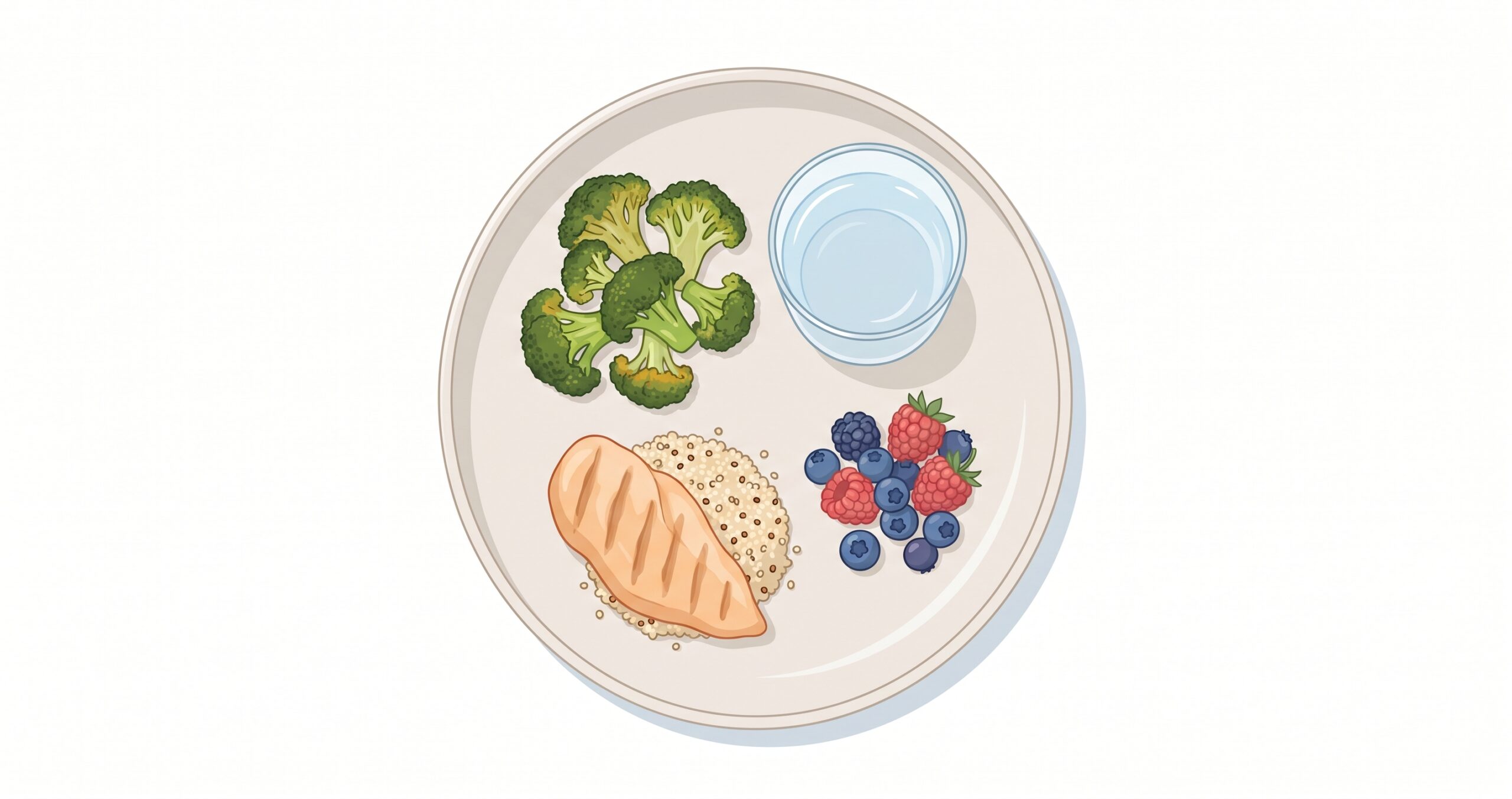
- Protein first. Aim for 20–30 grams at every meal. Eat the protein portion of your plate before carbs and fats.
- Volume over density. Choose foods with high water and fiber content (vegetables, lean protein, fruit) over calorie-dense processed foods (chips, baked goods, fried foods). You’ll feel fuller with fewer calories.
- Small meals, more often. Because gastric emptying is slowed, large meals trigger nausea. Three small meals + 1–2 protein-focused snacks works better than three large meals.
What to Eat (Tolerable Foods)
Best protein sources:
- Grilled chicken or turkey
- Fish (salmon, cod, sardines, tilapia)
- Greek yogurt (plain)
- Eggs (any preparation)
- Cottage cheese
- Tofu, tempeh, edamame
- Lean beef or pork (in moderation)
Tolerable carb sources:
- Berries (strawberries, blueberries, raspberries)
- Whole-grain bread (1 slice/meal)
- Steel-cut oats
- Quinoa, brown rice (smaller portions)
- Legumes (lentils, chickpeas, black beans)
- Sweet potato (in moderation)
Best vegetables:
- Leafy greens (spinach, kale, arugula)
- Broccoli, cauliflower (steamed, not raw if causing gas)
- Bell peppers, cucumbers, zucchini
- Asparagus, green beans
- Tomatoes (cooked is easier to digest)
What to Avoid (or Limit)
- Fried foods — greasy meals dramatically worsen nausea on Ozempic
- Very high-fat meals — cream sauces, heavy cheese, fatty cuts of meat slow gastric emptying further
- Spicy foods during titration — can worsen reflux and abdominal discomfort
- Sweetened drinks — soda, juice, sweetened coffee/tea spike glucose and provide no satiety
- Alcohol during the first 8 weeks — see our Ozempic + alcohol guide
- Carbonated drinks — can cause bloating; many patients tolerate them poorly during titration
Sample Eating Day on Ozempic
| Meal | Example | Protein | Calories |
|---|---|---|---|
| Breakfast | 2 scrambled eggs + 1 slice whole-grain toast + 1/2 cup berries | 20g | ~280 |
| Mid-morning | 1/2 cup plain Greek yogurt + tablespoon chia seeds | 11g | ~120 |
| Lunch | 4 oz grilled chicken + large salad + olive oil dressing + 1/2 cup quinoa | 32g | ~450 |
| Afternoon | 1 oz almonds + small apple | 6g | ~210 |
| Dinner | 4 oz baked salmon + steamed broccoli + 1/2 cup roasted sweet potato | 28g | ~430 |
| Daily total | ~97g protein | ~1,490 cal |
Side-Effect Management Through Food
If nauseous:
- Eat smaller portions, more frequently
- Cold or room-temperature foods are often better tolerated than hot foods
- Ginger (tea or candy) provides anti-nausea effect
- Plain crackers, dry toast, or bananas can help settle the stomach
If constipated:
- Increase fiber gradually (sudden large increases can worsen GI symptoms)
- Drink 8+ cups of water daily
- Magnesium citrate or psyllium husk supplements help many patients
- Walk after meals
Sources & Further Reading
You may also like


How we research: Articles on Diabetes Fixer are written by our editorial team using AI-augmented research workflows. We summarise evidence from peer-reviewed studies and authoritative bodies including the American Diabetes Association, the CDC, the NIH, and Mayo Clinic. Nothing on this site is medical advice. Talk to your licensed physician before changing diet, medication, or exercise routines.