“Natural alternatives to Ozempic” is one of the most-searched terms in the diabetes space — usually by people who want the benefits of GLP-1 therapy without the cost, injection, or pharmaceutical exposure. Here’s the honest answer: nothing matches Ozempic’s clinical effect size, but several lifestyle and supplement strategies produce meaningful glucose and weight benefit through similar pathways.

1. Berberine — The Most Studied “Natural” Glucose-Lowering Compound
Berberine is a plant alkaloid extracted from goldenseal, barberry, and Oregon grape. Multiple meta-analyses show A1C reductions of 0.5–1.0% — about a third to half of Ozempic’s effect. Mechanism appears to involve AMPK activation (similar to metformin), not GLP-1 mimicry. Typical dose: 500 mg three times daily with meals.
See our complete berberine for diabetes guide.
2. High-Protein, Lower-Carb Diet
A diet with 25–30% calories from protein and reduced refined carbohydrates increases natural GLP-1 secretion, slows gastric emptying, and increases satiety — the same effects Ozempic produces pharmacologically, just at smaller magnitude. Sustainable adherence to this pattern can produce 8–15 lb weight loss and 0.5–1.5% A1C reduction over 6 months.
3. Intermittent Fasting (16:8 or 18:6)
Time-restricted eating naturally improves insulin sensitivity and supports modest weight loss. Multiple trials in type 2 diabetes show A1C reductions of 0.3–0.7% with adherent intermittent fasting protocols.
4. High-Intensity Exercise + Resistance Training
Exercise produces near-immediate improvements in insulin sensitivity that persist 24–48 hours post-session. The combination of HIIT cardio (3x/week) and resistance training (2–3x/week) has produced 0.7–1.0% A1C reductions in trials, plus 5–10 lb weight loss over 6 months.
5. Apple Cider Vinegar (Modest Effect)
1–2 tablespoons diluted in water before high-carb meals reduces post-meal glucose by 10–30 mg/dL in controlled studies. The cumulative effect on A1C is small (~0.1–0.2%) but the mechanism (slowed gastric emptying) is genuinely similar to GLP-1 action, just much weaker.
6. Cinnamon (Ceylon)
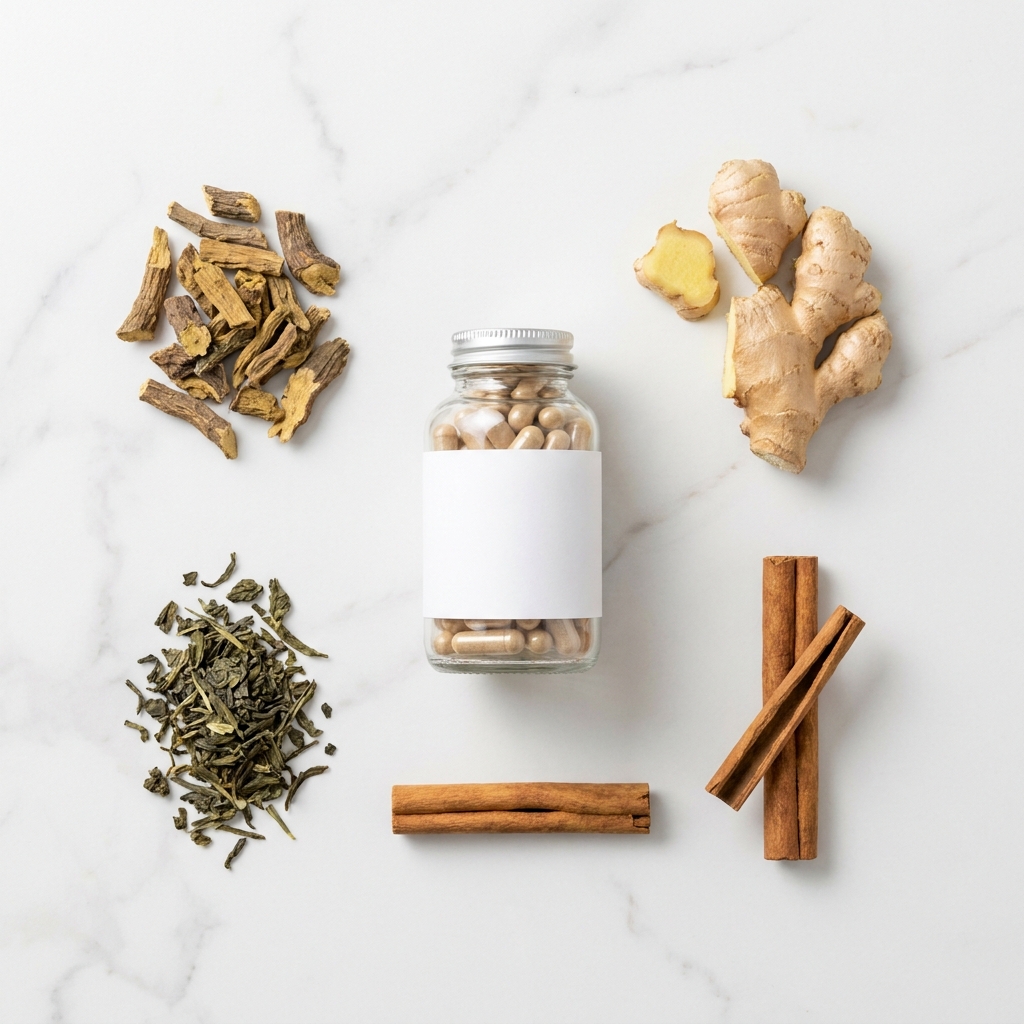
Modest fasting glucose reductions in multiple trials. Use Ceylon cinnamon (not the cheaper cassia variety) at 1–6 grams daily. Effect size on A1C is small (~0.1–0.3%).
What Doesn’t Work (Despite the Marketing)
- “GLP-1 boosting” peptide supplements sold online — no evidence, often unregulated, possibly dangerous
- Compounded semaglutide from non-FDA-regulated pharmacies — FDA has issued safety warnings about these products
- Apple cider vinegar gummies marketed as “natural Ozempic” — very limited evidence, often combined with stimulants
- Most “GLP-1 booster” teas — marketing, not science
The Honest Verdict
If your A1C is 5.7–6.4% (prediabetes) or 6.5–7.0% (early type 2), the natural strategies above can move you back into the normal range without medication. If your A1C is above 7.5%, you have established cardiovascular disease, or you have significant overweight, the clinical effect size of GLP-1 therapy substantially outperforms any supplement or lifestyle stack. The two are not mutually exclusive — many patients use lifestyle change plus GLP-1 therapy to maximize results.
Sources & Further Reading
- Berberine Meta-analysis — Endocrinology Journal
- NIDDK — Type 2 Diabetes Treatment Options
- ADA — Standards of Care 2024
- FDA Warning — Compounded Semaglutide