GLP-1 receptor agonists — the drug class that includes Ozempic, Wegovy, Mounjaro, Zepbound, Trulicity, and Saxenda — are reshaping type 2 diabetes treatment. They deliver larger A1C reductions, more weight loss, and better cardiovascular outcomes than most older diabetes medications. This is the complete plain-English guide to how they work, what each one does, and who they’re for.

What Is GLP-1, the Hormone?
GLP-1 (glucagon-like peptide-1) is a hormone naturally produced by your intestines when food enters them. It does four things:
- Signals the pancreas to release insulin — but only when blood sugar is already elevated (so it doesn’t cause hypoglycemia on its own)
- Suppresses glucagon — the hormone that tells your liver to release stored glucose
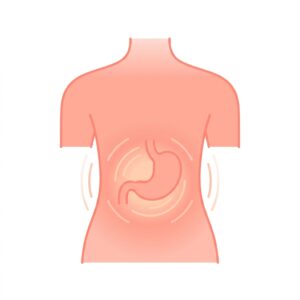
- Slows gastric emptying — food stays in your stomach longer, blunting the post-meal glucose spike
- Acts on appetite centers in the brain — reducing hunger signals and increasing satiety
The problem in type 2 diabetes is that natural GLP-1 production is reduced and the response is blunted. GLP-1 receptor agonists are engineered versions of the hormone that resist breakdown and deliver a much larger, longer-lasting signal — restoring the response your body should have.
The Drugs in the GLP-1 Class
| Brand name | Active ingredient | FDA-approved use | How taken | Frequency |
|---|---|---|---|---|
| Ozempic | Semaglutide | Type 2 diabetes | Injection (pen) | Weekly |
| Wegovy | Semaglutide (higher dose) | Chronic weight management | Injection (pen) | Weekly |
| Rybelsus | Semaglutide (oral) | Type 2 diabetes | Tablet | Daily |
| Mounjaro | Tirzepatide (GLP-1 + GIP) | Type 2 diabetes | Injection (pen) | Weekly |
| Zepbound | Tirzepatide (same active) | Chronic weight management | Injection (pen) | Weekly |
| Trulicity | Dulaglutide | Type 2 diabetes | Injection (pen) | Weekly |
| Saxenda | Liraglutide (higher dose) | Chronic weight management | Injection | Daily |
| Victoza | Liraglutide | Type 2 diabetes | Injection | Daily |
Note: Mounjaro and Zepbound (tirzepatide) work on two incretin receptors — GLP-1 and GIP — which is why they produce larger A1C and weight reductions than pure GLP-1 agonists in head-to-head trials. See our Ozempic vs. Mounjaro comparison for the full breakdown.
How Much A1C Reduction Can You Expect?
GLP-1 agonists are among the most effective non-insulin therapies for type 2 diabetes. Published trial averages:
| Drug | Typical A1C reduction | Typical weight loss (1 year) |
|---|---|---|
| Semaglutide (Ozempic 1mg) | 1.4 – 1.8% | 8 – 12 lbs |
| Semaglutide (Wegovy 2.4mg) | 1.5 – 1.8% | 30 – 35 lbs |
| Tirzepatide (Mounjaro 15mg) | 2.0 – 2.5% | 40 – 50 lbs |
| Dulaglutide (Trulicity 1.5mg) | 1.0 – 1.5% | 5 – 10 lbs |
| Liraglutide (Victoza) | 1.0 – 1.5% | 5 – 7 lbs |
For context: 1% A1C reduction is a clinically meaningful change, and 2%+ is what older drug classes (metformin, sulfonylureas) typically cannot achieve. See our A1C lowering guide for non-drug strategies.
Cardiovascular Benefit (Beyond Sugar Control)
Multiple large cardiovascular outcome trials — SUSTAIN-6 (semaglutide), LEADER (liraglutide), REWIND (dulaglutide), SURPASS-CVOT (tirzepatide) — have shown that GLP-1 agonists reduce major adverse cardiovascular events (heart attack, stroke, CV death) in patients with type 2 diabetes, especially those with existing cardiovascular disease. The FDA now allows cardiovascular benefit claims in the prescribing information for semaglutide and liraglutide.
Side Effects: What to Expect
Common (will affect most patients during dose escalation):
- Nausea (especially during the first 4–8 weeks)
- Constipation or diarrhea
- Reduced appetite (often considered a feature, not a bug)
- Mild abdominal discomfort
Less common but serious (per FDA labeling):
- Pancreatitis — severe persistent abdominal pain warrants immediate medical evaluation
- Gallbladder problems — increased risk of cholelithiasis, especially with rapid weight loss
- Diabetic retinopathy worsening — rare; mostly in patients with rapid A1C reductions
- Possible thyroid C-cell tumors — FDA boxed warning based on rodent studies; not contraindicated unless you have MEN-2 or family history of medullary thyroid cancer
- Vision changes — report any new changes promptly
For a complete safety breakdown, see our Ozempic side effects guide.
Who Should Consider GLP-1 Therapy?
Per ADA Standards of Care 2024, GLP-1 receptor agonists are recommended:
- When metformin alone isn’t controlling A1C below target
- When weight loss is a co-equal treatment goal alongside glycemic control
- In patients with established cardiovascular disease (for risk reduction)
- In patients with chronic kidney disease (specific GLP-1 agonists have renal benefit)
- As an alternative to insulin when basal insulin would otherwise be the next step
Talk to your doctor to see if you’re a candidate. Eligibility criteria detailed here.
How Much Does GLP-1 Therapy Cost?
Without insurance, GLP-1 therapy is expensive: Ozempic retails around $900–$1,200/month, Mounjaro around $1,000–$1,200/month. With commercial insurance, monthly out-of-pocket is typically $25–$100. Medicare Part D coverage varies. Manufacturer savings programs can reduce cost substantially for eligible patients. See detailed Ozempic pricing breakdown.
Stopping GLP-1 Therapy: What Happens?
GLP-1 agonists work while they’re in your system — not after. The STEP-4 trial showed that semaglutide patients who stopped the drug regained roughly two-thirds of the weight they’d lost within 12 months and saw A1C return toward baseline. This isn’t failure of willpower; it’s biology — the underlying metabolic dysfunction returns when the medication is withdrawn. Most diabetes specialists now treat GLP-1 therapy as long-term (years to indefinite), similar to how blood pressure or cholesterol medications are managed.
More on this in our guide to stopping Ozempic.

Frequently Asked Questions
Is Ozempic the same as Wegovy?
They contain the same active ingredient (semaglutide) but at different maximum doses and are FDA-approved for different uses. Ozempic is for type 2 diabetes (max 2 mg/week); Wegovy is for chronic weight management (max 2.4 mg/week).
Are GLP-1 drugs only for diabetes?
No. Semaglutide (as Wegovy) and tirzepatide (as Zepbound) are FDA-approved for weight management in adults with obesity (BMI ≥30) or overweight (BMI ≥27 with at least one weight-related comorbidity).
How long until GLP-1 starts working?
Appetite suppression and gastric emptying effects begin within days. A1C reduction is visible at the 3-month re-test. Maximum weight loss continues for 12-18 months at consistent dosing.
Can I take a GLP-1 if I have type 1 diabetes?
GLP-1 agonists are not FDA-approved for type 1 diabetes, although some endocrinologists prescribe them off-label as an adjunct to insulin. Discuss with your specialist.
Will my insurance cover Ozempic?
Most commercial insurance plans cover Ozempic for type 2 diabetes if you meet eligibility criteria (typically A1C 6.5%+ and failure of metformin or contraindication). Coverage for Wegovy (weight loss) is more variable. Medicare Part D coverage varies by plan.
Sources & Further Reading
- FDA — Ozempic Prescribing Information
- ADA Standards of Care 2024 — Pharmacologic Approaches
- SUSTAIN-6 Trial (semaglutide CV outcomes) — NEJM
- SURPASS-2 Trial (tirzepatide vs semaglutide) — NEJM
- STEP-4 Trial (semaglutide discontinuation) — JAMA
- Mayo Clinic — Semaglutide (Ozempic)